
Easement Survey Gold Coast
- Shows where existing easements fall
- Defines proposed easement areas
- Plans your solicitor can work with
- Defines land, not legal rights
Where an easement sits and what land it affects
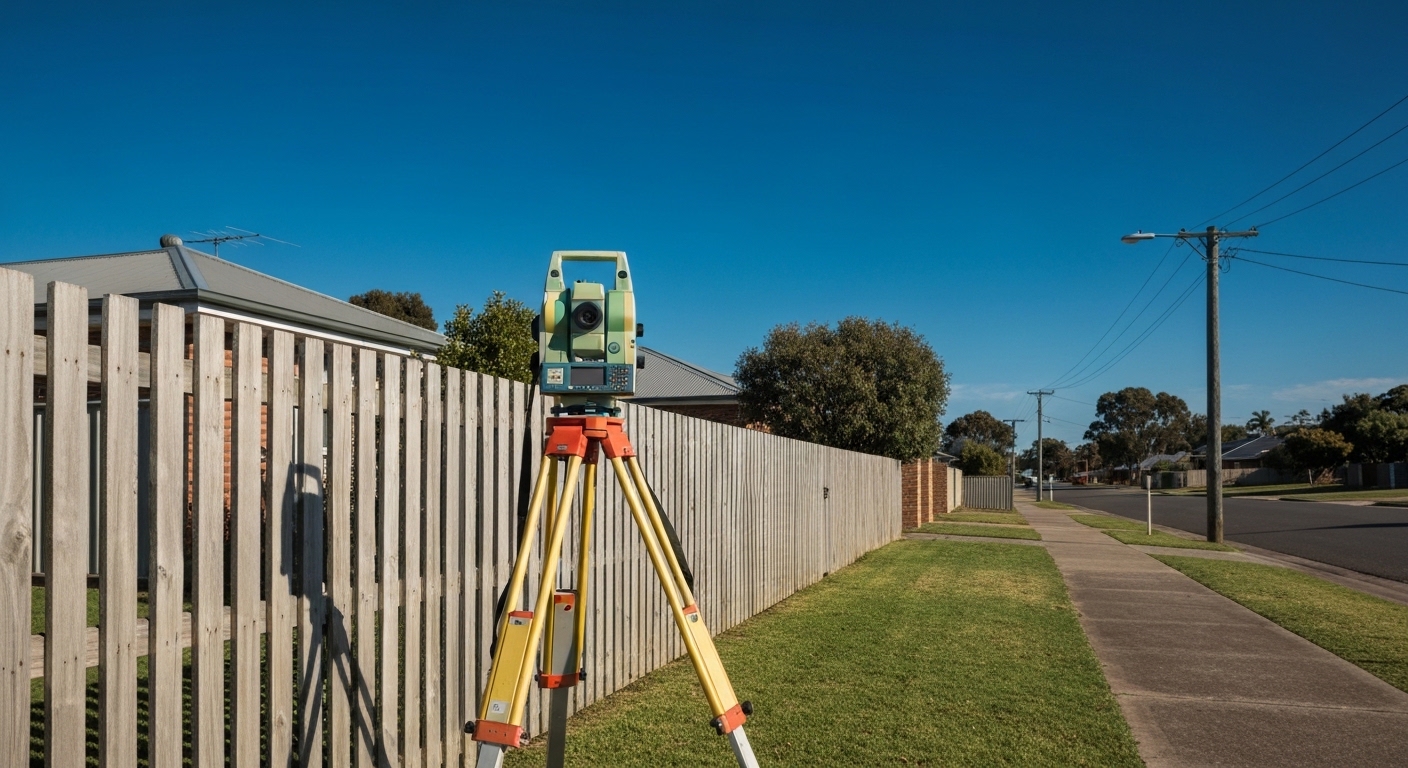
An easement gives someone a right over part of a property, such as a neighbour's access, a drainage line or a service corridor. The title and registered plans describe the easement, but on the ground it can be hard to tell where it starts and ends. On a Gold Coast property, an easement survey either shows where an existing easement falls on the site, or defines the area of a proposed new easement on a plan.
The survey answers the question of where. Questions about what the easement permits, who maintains it, or whether it can be changed or removed are legal matters for a solicitor.
Two different requests
Easement survey enquiries usually fall into one of two kinds. Saying which one you need is the quickest way to an accurate scope.
- Locating an existing easement
- Useful before building, landscaping or fencing near an easement, so you know which part of the land is affected and how close a proposed structure would be.
- Defining a proposed easement
- Used when a new easement is being created, for example for shared access or drainage, often as part of a subdivision or development. The plan defines the easement area for the legal documents.
If you first need to confirm the lot lines the easement is measured from, a boundary survey establishes them on site.
Why boundaries usually come first
Easements are described relative to the lot boundaries. If those boundaries are uncertain, the easement position is uncertain too. On sites with missing pegs or doubtful fences, identifying the boundaries is often part of the same job.
Existing structures can also matter. A survey can show sheds, driveways, walls or retaining structures in relation to the easement, which is useful when an owner or authority asks what sits within it.
When a new easement is part of splitting land or realigning boundaries, the subdivision survey page explains how the survey fits that larger process.
What to send
Provide the address, lot and plan, and a title search showing the easement if you have one. Explain the purpose: building near the easement, a sale, a proposed new easement, or a question from an authority. For a proposed easement, include any instructions or sketches from your solicitor, planner or engineer.
If the easement relates to a service such as drainage or sewer, mention it. The survey can show visible features, but finding buried infrastructure within the easement is a separate scope item.
Easements can also affect community titles schemes; a strata survey defines the lots and common property that access or service rights may cross.
Limits worth knowing
An easement plan defines land. It does not create, release or alter an easement by itself; those steps involve legal documents, consent from affected parties and registration. Any approvals come from the relevant authorities. The survey supplies the plan your advisers work with.
Get an easement survey quote
Send the address, the easement details from the title if known, and what you need: an existing easement located or a proposed one defined. Include instructions from your solicitor so the plan suits the next step.
Can I build over an easement?
That depends on the easement terms and the relevant authority's requirements. A survey can show where the easement falls relative to your proposed works, but whether you can build there is a question for your certifier, the authority or a solicitor.
How do I find out whether my property has an easement?
A title search and the registered plans are the usual starting points. A solicitor or conveyancer can obtain and explain them.
Can an easement be removed?
Sometimes, but that is a legal process involving the parties who benefit from the easement. A survey plan may be needed if the easement area changes; your solicitor can advise on the steps.
Will the easement be marked on the ground?
It can be, where marks are useful and agreed in the scope. Otherwise the easement may be shown on a plan relative to boundaries and structures.